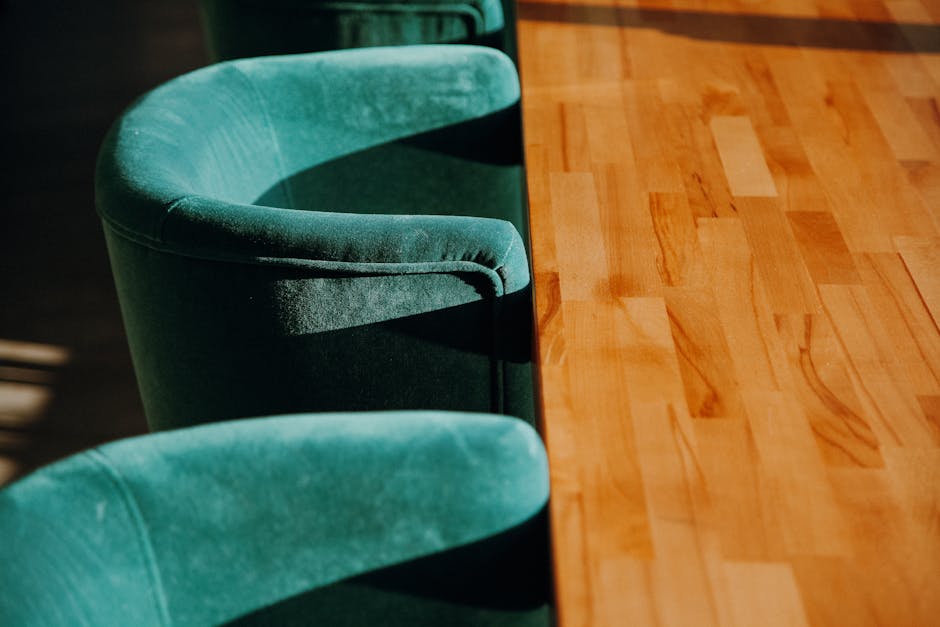
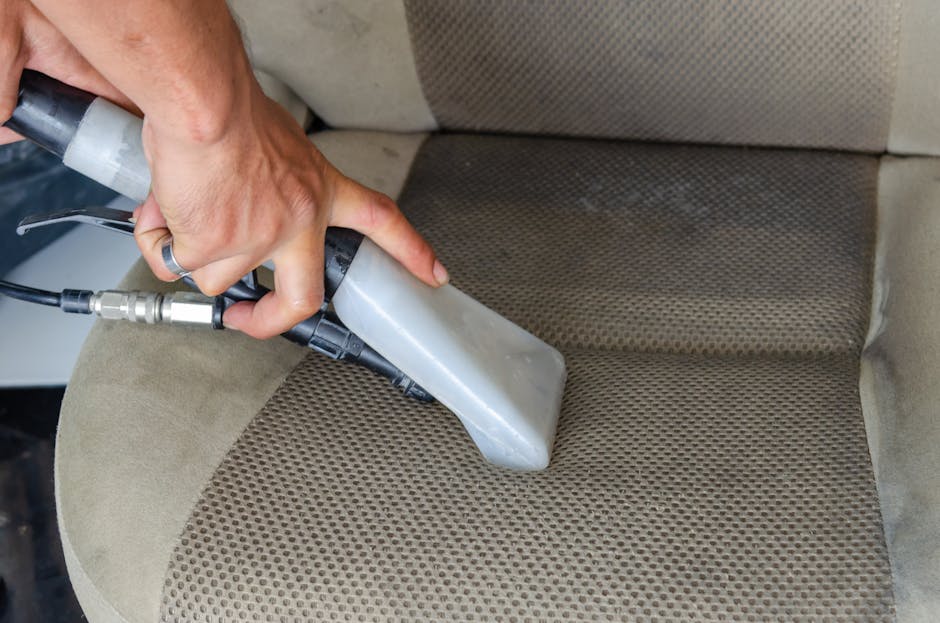
Upholstery cleaning for Charlotte Street offices Fitzrovia
If you manage a busy workplace near Charlotte Street, you already know how quickly office upholstery can lose its sharp, professional look. Chairs pick up coffee marks, armrests darken from daily contact, and fabric starts to hold onto that slightly tired office smell that no one wants to mention out loud. Upholstery cleaning for Charlotte Street offices Fitzrovia is not just about making things look nicer for a day or two. It is about keeping reception areas, meeting rooms, breakout spaces, and workstations presentable, hygienic, and comfortable for staff and visitors alike.
In a Fitzrovia office, first impressions matter. So does practicality. You need cleaning that works around people, protects fabrics, and does not turn a normal working day into a disruption. This guide walks through what office upholstery cleaning involves, why it matters, how the process works, what methods are used, and how to avoid the mistakes that lead to shrinkage, staining, or long drying times. If you are comparing providers, it also helps to understand how commercial fabric care fits alongside broader services such as commercial carpet cleaning and upholstery cleaning.
Let's face it, office furniture gets used hard. One person spills tea. Another leans on the same armrest all day. By Friday, the fabric has a story to tell.
Why Upholstery cleaning for Charlotte Street offices Fitzrovia Matters
Office upholstery works harder than many people realise. A chair in a meeting room may be used by dozens of people in a week, while soft seating in a client lounge can quickly absorb body oils, airborne dust, and the occasional food spill. In a part of central London like Fitzrovia, where office space often sees a steady flow of staff, clients, suppliers, and contractors, these fabrics need more than the occasional wipe-down.
Clean upholstery supports the look and feel of the whole office. When chairs and sofas are clean, the space feels fresher, calmer, and better maintained. That matters in client-facing environments, but it also matters to staff. People notice when a workplace feels cared for. They notice the smell too, even if they never say it. A clean armchair can say more about standards than a polished sales pitch ever could.
There is also a practical side. Dirt particles trapped in fabric can wear fibres down over time, which may shorten the life of office furniture. Regular cleaning can help preserve fabric appearance and reduce the need for early replacement. That is a sensible budget decision, not a luxury. If your business already invests in ongoing maintenance, linking upholstery care with carpet care through carpet cleaning is often the most efficient way to keep shared areas consistently presentable.
For Charlotte Street offices in particular, where image and efficiency go hand in hand, upholstery cleaning also helps with hybrid working patterns. When teams do come in, they expect a clean, comfortable environment. And if you have hot-desking, meeting-room traffic, or visiting clients, fabric furniture can become a visible weak point very quickly.
How Upholstery cleaning for Charlotte Street offices Fitzrovia Works
Professional upholstery cleaning is usually a careful, fabric-led process rather than a one-size-fits-all treatment. The cleaner begins by identifying the fabric type, construction, and condition of the furniture. That sounds simple, but it makes a huge difference. A synthetic waiting-room chair and a wool blend executive sofa do not respond the same way, and neither do delicate finishes or older pieces with previous repairs.
The next step is inspection. Stains, traffic wear, lint, and odours are assessed before any moisture or cleaning solution touches the fabric. Good cleaners will test a small, discreet area first. This helps reduce the risk of colour bleeding, watermarks, or fibre distortion. If the upholstery includes zips, piped seams, buttons, or layered padding, those details matter too. Small things. Big difference.
After inspection, the process usually includes:
- dry vacuuming to remove loose dust, crumbs, and grit
- targeted pre-treatment for spots and visible stains
- careful cleaning using the most suitable method for the material
- extraction or controlled moisture removal where appropriate
- final grooming and drying checks
Depending on the fabric, the cleaner may use low-moisture methods, hot water extraction, or specialist cleaning solutions. The aim is always the same: lift soil without over-wetting the material. That is particularly important in offices, where furniture may be needed again the same day. If stubborn staining is part of the picture, a targeted approach using stain removal techniques may be required before the main clean.
In some cases, cleaning is paired with deodorising or odour neutralising. That can be useful in enclosed office spaces where food, drinks, or heavy use have left lingering smells. A proper clean should freshen the room, not simply mask the problem for a week.
Key Benefits and Practical Advantages
There are a few obvious benefits to upholstery cleaning, and then there are the ones people only notice once the job has been done. The obvious ones are appearance and freshness. The less obvious ones are comfort, morale, and confidence. Visitors feel more at ease in a tidy environment. Staff do too. Nobody enjoys settling into a chair that looks a bit neglected.
Here are the main advantages for Charlotte Street offices:
- Better first impressions: clean furniture supports a professional image in reception areas and meeting rooms.
- Longer furniture life: regular maintenance helps reduce wear caused by trapped dirt and grit.
- Improved comfort: fresher fabric and cleaner seating simply feels better during long office days.
- Odour control: useful in shared kitchens, break areas, and client-facing spaces.
- More efficient maintenance: smaller, regular cleans are often easier than waiting until furniture looks visibly tired.
- Better overall hygiene: not a medical claim, just a sensible workplace standard for high-touch surfaces.
There is a nice side effect too: once one piece of furniture is cleaned properly, it tends to lift the whole room. It is a bit like cleaning the windows on a grey London morning; suddenly the space feels brighter, even if nothing else changed.
For larger offices or buildings with multiple shared zones, upholstery cleaning also supports a coordinated upkeep plan. If carpets, curtains, and soft furnishings are maintained together, the office looks cared for instead of selectively tidy. That is where a broader service mix can help, especially when combined with curtain cleaning or sofa cleaning where relevant.
Who This Is For and When It Makes Sense
This service is for any Charlotte Street office that relies on upholstered seating and wants to keep it in decent condition. That includes law firms, design studios, consultancy offices, media spaces, medical-adjacent admin premises, and shared workspaces. If your office has client meetings, visitor seating, or a lot of team turnover, you will probably need it sooner than you think.
It makes sense when:
- chairs or sofas show visible marks, dull patches, or darkened armrests
- there are recurring spills from tea, coffee, or lunch
- the office has an older soft seating area that looks flat or tired
- there is a noticeable odour after long use
- you are preparing for a lease handover, inspection, or client event
- you want to refresh the office without replacing furniture
Some businesses wait until every chair looks obviously dirty. That is understandable, but not ideal. By the time the fabric looks heavily marked, the cleaning process may need more time and more targeted treatment. If you are trying to avoid disruption, earlier maintenance is the easier route.
There is also a real difference between occasional domestic-style cleaning and commercial office care. Office furniture needs methods that respect productivity, drying times, and safety. If the job is urgent, ask about scheduling and access arrangements upfront. A good provider should be comfortable discussing practical details, not just the cleaning itself. If you are still comparing providers, you may find it useful to review pricing and quotes so expectations are clear from the start.
Step-by-Step Guidance
If you are planning upholstery cleaning for an office in Fitzrovia, the following process is a sensible way to manage it. Nothing fancy. Just a clear sequence that helps avoid surprises.
- Identify the furniture and fabric types. Make a quick list of chairs, sofas, benches, and any speciality pieces.
- Note the main issues. Stains, smells, heavy traffic wear, dust, or general dullness all change the approach.
- Check access and timing. Decide whether the clean needs to happen before opening, after hours, or in phases.
- Request an inspection or quote. Accurate pricing depends on quantity, fabric type, and condition.
- Prepare the space. Clear personal items, paperwork, and fragile equipment from nearby surfaces.
- Test and treat. A professional should test fabric suitability before applying any solution widely.
- Clean with the correct method. That may involve low-moisture cleaning, extraction, or targeted stain work.
- Allow proper drying. Good airflow helps. Chairs should not be rushed back into service too early.
- Inspect the results. Check for remaining marks, damp patches, or areas needing a second pass.
- Plan maintenance. A small schedule now is often better than a bigger rescue later.
One practical tip: if multiple rooms are being cleaned, start with the furniture that will be least used immediately afterwards. It sounds obvious, but it saves awkward rearranging later. And yes, someone will always ask where their favourite chair went.
Expert Tips for Better Results
In our experience, the best office upholstery results come from preparation and restraint. A cleaner who knows when not to over-treat fabric is usually worth listening to. More product does not automatically mean a better finish. In fact, it often means the opposite.
Useful tips include:
- Act quickly on fresh spills. Blot, do not rub. Rubbing can push liquid deeper into the fibres.
- Know your fabrics. Leather, synthetic blends, and natural fibres each need different handling.
- Protect nearby surfaces. Wood trim, screens, and power cables should be kept clear of moisture.
- Use good ventilation. Open windows where possible or improve airflow after cleaning.
- Match the method to the setting. A low-moisture approach may suit occupied offices better than a heavier wet clean.
- Ask about odour treatment separately. Do not assume a fresh smell means a deep clean has happened.
If you have a mix of fabric furnishings across the office, think in zones. Meeting rooms may need light maintenance more often, while a breakout area with food use may need a deeper clean at set intervals. That kind of thinking keeps the whole place in better shape. Truth be told, it is usually the small routines that save the most money.
For offices with recurring marks from food or office drinks, a broader fabric care plan can help. Pairing upholstery attention with pet stain odour removal is not the relevant choice for a normal office, of course, but the point stands: specialist stain treatment is worth asking about whenever the mark is stubborn or unusual.
Common Mistakes to Avoid
A lot of upholstery damage happens before the cleaning begins. That sounds dramatic, but it is often true. The mistake is not just choosing the wrong method. It is assuming all fabric can be treated the same way. It cannot.
Watch out for these common errors:
- Using too much water: this can cause long drying times, watermarks, or deeper moisture in the cushion.
- Skipping fabric checks: a quick test spot is there for a reason.
- Trying to hide stains with more product: that can set the problem instead of solving it.
- Ignoring the frame and padding: surface cleaning only goes so far.
- Cleaning at the wrong time: rushing the job before a meeting or event can leave seating unusable.
- Choosing based on price alone: cheap can become expensive if furniture is damaged or needs repeat cleaning.
Another one: forgetting to ask about drying time. It is a small question, but a very important one. An office can look clean and still not be ready for immediate use. That gap between "looks done" and "is ready" matters more than people expect.
Tools, Resources and Recommendations
A professional upholstery clean usually relies on a mix of inspection tools, vacuuming equipment, fabric-safe solutions, and extraction or low-moisture systems. The exact kit depends on the material and level of soiling. For office use, the most valuable tool is often not the machine itself but the judgement behind it.
From a client point of view, here is what is helpful to have ready before the appointment:
- a basic list of upholstered items and approximate quantities
- notes on stain types, if known
- details of any delicate or heritage-style furniture
- access instructions for the building, loading area, or reception desk
- any timing constraints around calls, meetings, or occupancy
Useful supporting services may include rug cleaning for communal areas, steam carpet cleaning for floor surfaces that collect the same traffic dirt, and mattress cleaning only where hospitality or staff accommodation is involved. Not every office needs all of these, clearly, but related care is often useful in multi-use premises.
If you are comparing providers, it is also sensible to check the company's approach to insurance and safety, especially in office environments where equipment, flooring, and people all need to be protected. And if you want a company background before you book, the about us page is the right place to look.
Law, Compliance, Standards, or Best Practice
Office upholstery cleaning is not usually a heavily regulated activity in itself, but it still sits within normal UK workplace expectations around safety, hygiene, and care of the premises. That means sensible risk assessment, careful chemical use, and respect for the building environment. In practice, the main compliance issue is not paperwork for its own sake; it is making sure the cleaning is done safely and without avoidable disruption.
Best practice usually includes:
- using suitable products for the specific fabric
- testing discreetly before full application
- protecting electrical items, cables, and nearby work areas
- allowing adequate drying before normal use resumes
- following the provider's health and safety procedures
In a working office, that can also mean planning around fire exits, access routes, and hygiene-sensitive areas. If a cleaner is moving equipment through communal corridors or shared reception spaces, they should do so carefully and with awareness of others on site. Basic stuff, really, but the basics matter.
You may also want to review a provider's health and safety policy, along with practical terms in the terms and conditions and information on payment and security. These details help set expectations before work begins, which is always better than sorting things out afterwards.
Environmental practice can matter too. If your office prefers lower-impact cleaning choices or responsible waste handling, it is worth looking at a provider's approach to recycling and sustainability. Not every clean creates much waste, but the attitude behind the service tells you a lot.
Options, Methods, or Comparison Table
Different upholstery cleaning methods suit different office needs. There is no single "best" option. The right choice depends on fabric type, soiling level, drying window, and the amount of disruption your team can tolerate.
| Method | Best for | Advantages | Watch-outs |
|---|---|---|---|
| Low-moisture cleaning | Occupied offices, routine maintenance, lighter soiling | Faster drying, less disruption, useful for regular upkeep | May need extra spot treatment for stubborn marks |
| Hot water extraction | Heavier soiling, deep refreshes, fabric that can tolerate more moisture | Strong soil removal, good for tired-looking seating | Longer drying time if ventilation is poor |
| Targeted stain treatment | Localised coffee, ink, food, or drink marks | Focuses on specific problem areas without over-treating the whole item | Stain age and fabric type affect success |
| Fabric protection add-on | High-use seating in reception or meeting rooms | May help future spill cleanup and reduce re-soiling | Should never be treated as a substitute for proper cleaning |
For many Charlotte Street offices, the most sensible solution is a blended approach: light maintenance most of the time, then more intensive cleaning where needed. That way the office never gets to the point where everything feels overdue.
Case Study or Real-World Example
Picture a small professional office near Charlotte Street with a reception area, one meeting room, and a break space. The soft seating is decent quality, but after a few months of heavy use the fabric starts to look patchy. One chair near the window has a coffee ring on the armrest. Another has a darker patch where people tend to sit and wait. Nothing dramatic. Just enough to make the room look a bit worn.
The office manager decides to arrange upholstery cleaning before an important client visit. The furniture is inspected, the stains are identified, and the cleaning plan is split into two parts: light maintenance for most chairs and targeted treatment for the worst marks. The cleaner works around the office schedule, and the team returns the next day to fresher, more even-looking seating. No miracle. Just good process.
What changed most was not just the look of the chairs, but the feel of the space. The reception area felt brighter. The meeting room looked more professional. Staff stopped avoiding the "bad chair" in the corner. Small things, yes, but they add up.
That kind of result is typical when the upholstery is cleaned before staining becomes embedded. Once fibres are heavily worn or repeatedly saturated with spill residue, the job becomes more difficult. Early action nearly always wins.
Practical Checklist
Use this checklist before booking or scheduling a clean. It keeps the process simple and avoids those annoying last-minute omissions.
- Identify all upholstered items that need attention
- Note the fabric type if known
- List visible stains or odours
- Check whether the office can be cleaned outside working hours
- Confirm access, parking, and entry instructions
- Remove personal items from furniture and nearby surfaces
- Ask about expected drying time
- Ask which cleaning method is likely to be used
- Confirm whether stain treatment is included or priced separately
- Check the provider's policy pages where relevant, including privacy policy and complaints procedure
If you want to keep the office looking good between visits, a light weekly vacuum on visible upholstery and a quick response to spills will make a noticeable difference. Nothing glamorous. Just consistent care. And consistency is what tends to hold everything together.
Get a free quote today and see how much you can save.
Conclusion
Upholstery cleaning for Charlotte Street offices Fitzrovia is one of those services that quietly improves everything around it. It protects the look of your workspace, helps furniture last longer, and makes the office feel more welcoming for the people who use it every day. In a busy central London setting, that kind of upkeep is not cosmetic fluff. It is part of running a professional space properly.
The main takeaway is simple: do not wait until fabric looks tired beyond repair. The earlier you clean, the easier it is to maintain a smart, comfortable office. Choose a method that suits the material, keep an eye on drying times, and work with a provider who understands commercial realities as well as the fabric itself.
And honestly, when the chairs look clean and the room smells fresh, the whole office just breathes a little easier. That is worth doing well.
Frequently Asked Questions
How often should office upholstery be cleaned in Fitzrovia?
It depends on use. High-traffic meeting rooms and reception seating may need attention more often than private offices. A sensible plan is usually based on visible wear, spill frequency, and how important the furniture is to client impressions.
Can upholstery cleaning be done during office hours?
Sometimes, yes. But many offices prefer early mornings, evenings, or quieter periods. The best timing depends on how much the furniture is used and how long it needs to dry afterwards.
Will cleaning remove every stain?
Not always. Some stains are old, heat-set, or made worse by previous DIY treatment. Good cleaning can often improve them significantly, but no honest provider should promise perfection on every mark.
Is hot water extraction safe for office furniture?
It can be, if the fabric is suitable and the method is controlled carefully. It is not the right choice for every item, which is why inspection and fabric testing matter so much.
What is the difference between upholstery cleaning and sofa cleaning?
Upholstery cleaning is the broader service. Sofa cleaning is one part of it, focused on upholstered sofas and similar seating. In office settings, the same principles apply to chairs, benches, and lounge furniture.
How long does office upholstery take to dry?
Drying time varies with fabric type, cleaning method, room temperature, and ventilation. Low-moisture methods dry faster, while wetter processes take longer. Always ask the provider for an estimate before the job begins.
Can old coffee stains be treated successfully?
Often they can be improved, but older stains are more stubborn. The sooner the stain is treated, the better the outcome tends to be. Leaving it for months makes the job much harder, simple as that.
Do I need to move office furniture before the cleaner arrives?
Usually only small items, paperwork, and valuables need to be cleared. Heavy furniture is often handled as part of the service plan, but it is best to confirm this in advance.
Is upholstery cleaning disruptive to staff?
It does not have to be. With proper planning, the work can be done around occupancy and access needs. Communication is key, especially in busy shared offices.
Can upholstery cleaning help with odours in the office?
Yes, it often can. Fabrics absorb smells from food, drinks, and daily use. Cleaning removes the source rather than just covering it up, which is why it usually feels so much fresher afterwards.
What should I ask before booking a provider?
Ask about fabric testing, drying time, stain handling, access requirements, insurance, and how the service is scheduled around office use. If you want extra reassurance, review company information such as about us and insurance and safety before confirming the booking.
Is it worth cleaning older office furniture?
Often, yes. If the frame and padding are still sound, cleaning can give older furniture a much better working life. It is not magic, but it can buy you time and improve the room considerably.
How do I choose between different cleaning methods?
Start with the fabric type, the level of soiling, and how quickly the furniture needs to be back in use. A trustworthy provider should explain the options clearly rather than pushing one method for everything.